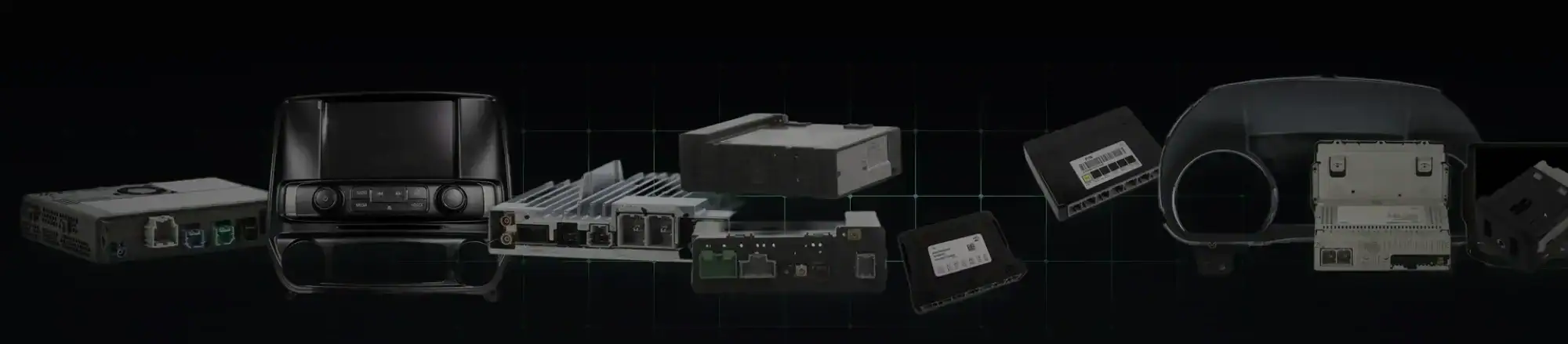
How to Modernize a GM Vehicle Without Compromising Reliability
Modern GM vehicles are increasingly defined by software, networked modules, and security-controlled systems. While many owners want modern features like Apple CarPlay, Android Auto, upgraded instrument clusters, or refreshed infotainment behavior, concerns around safety, warranty impact, and long-term reliability are understandable.
This guide explains how to modernize a GM vehicle responsibly — without introducing unnecessary risk — and why not all upgrade paths are created equal.
At White Automotive & Media Services (WAMS), modernization is approached as an engineering discipline, not a marketing exercise. Every product we offer is evaluated against OEM behavior, long-term supportability, and real-world system interactions before it is ever sold.
The Core Challenge With Modernizing Today’s Vehicles
Modern GM platforms rely on tightly integrated electronic systems. Changes to one module can affect others through shared data buses, security handshakes, and software dependencies.
Common risks with loosely integrated upgrade paths include:
- Over-the-air (OTA) updates affecting compatibility
- Modules becoming locked or non-functional
- ADAS, driver assistance, or safety system interference
- Warranty disputes related to undocumented modifications
- Reduced resale value from non-OEM behavior
These risks are not theoretical. They increasingly appear in dealer diagnostics, customer experiences, and long-term ownership outcomes.
What Safe Modernization Actually Means
Safe modernization is not about avoiding upgrades — it is about choosing upgrades that behave like factory components and can be supported over time.
At WAMS, safe modernization means:
- Using new OEM GM hardware, not unknown-history modules
- Preserving VIN-correct behavior and factory configuration logic
- Maintaining OEM system communication instead of bypassing it
- Avoiding fragile workarounds, overlay devices, or screen-mirroring shortcuts
- Focusing on upgrade paths that can be supported responsibly over time
If a modernization path cannot meet those standards, it is not something we choose to support.
Plug-and-Play vs. Outside Setup: Managing Expectations Correctly
Most WAMS products are designed for owner self-installation to avoid unnecessary shop or dealer costs. However, “plug-and-play” does not mean “zero process.”
There are two broad categories of installation paths:
Plug-and-Play (Owner or Shop Install)
- Pre-programmed modules matched to your vehicle
- No dealer involvement required
- Clear instructions provided
- Typical for HMI replacements, infotainment upgrades, and many cluster upgrades
Outside Setup Required (Specific Cases Only)
- Certain Global B instrument cluster upgrades require a security marriage procedure
- This process involves a key exchange between modules to allow full operation
- It does not mean the product is unprogrammed or incomplete
- Any qualified shop with GM-capable tooling — including dealers — can perform this step
Importantly, WAMS pre-programs these modules before shipment. The outside setup step is a security handshake, not traditional programming.
For a deeper breakdown, see:
Plug-and-Play vs. Outside Setup: What GM Electronics Actually Require
Why OEM-Correct Upgrades Matter More Than Ever
Many upgrade paths focus on feature lists but overlook system-level behavior. That can lead to:
- Partial functionality
- Broken steering wheel controls
- Audio routing issues
- Inconsistent behavior after updates
OEM-correct upgrades avoid these problems by working with GM’s architecture rather than around it.
Examples include:
- Proper CarPlay and Android Auto integration using OEM modules
- Instrument cluster upgrades that maintain factory input handling
- Infotainment replacements that preserve microphone, audio, and display logic
This is why WAMS focuses on module-level solutions, not overlay devices or partial-integration shortcuts.
Why Some Products Are Discontinued — Even When They Work
A product can function properly and still be discontinued.
As GM software update cadence increases, some solutions require constant re-engineering to remain compatible. When long-term support becomes unpredictable or unsustainable, continuing to sell that product would create unnecessary risk for customers.
WAMS has discontinued products — including high-profile EV upgrades — specifically because they could not be supported responsibly over time. That is not a failure of standards; it is a decision rooted in long-term reliability and customer protection.
Responsible modernization includes knowing when not to proceed.
Ordering Is Not Difficult — It Just Requires Accuracy
Another common misconception is that WAMS products are difficult to order.
In reality:
- Product descriptions clearly identify supported vehicles and requirements
- VIN-specific programming ensures correct configuration
- Fitment verification helps prevent costly mistakes
Following the process matters because modern GM electronics are precise by design. Accuracy protects both the customer and the vehicle.
Cost and Long-Term Value
Modernization decisions are often judged by upfront cost alone, but the total cost of an upgrade path depends on more than the initial purchase price.
Lower-cost solutions can sometimes introduce additional expenses later through troubleshooting, rework, missing functionality, or compatibility issues after updates or service events.
OEM-correct modernization tends to cost more upfront than shortcut-based alternatives, but it often reduces long-term cost by preserving proper operation, serviceability, and system stability.
For many owners, the better question is not simply “what costs less today,” but “what is most likely to work correctly over time.”
Who WAMS Is Best For
WAMS solutions are ideal for:
- Owners who want OEM-level results without unnecessary dealership workflow
- Shops seeking reliable, repeatable outcomes
- Customers who value long-term reliability over short-term shortcuts
- Vehicles where preserving warranty defensibility and resale value matters
WAMS is not built around the lowest-cost workaround. It is built around doing the upgrade correctly and supporting it responsibly over time.
Conclusion
Modernizing a GM vehicle does not have to mean accepting unnecessary risk.
When upgrades are designed around OEM behavior, supported long-term, and installed with clear expectations, it is possible to add modern functionality while preserving reliability, warranty defensibility, and vehicle value.
This philosophy guides every product WAMS offers — and explains why some upgrade paths are not offered or are discontinued despite demand.
Modernization is not about adding features at any cost.
It is about doing it correctly.